

/
By Betty Luke
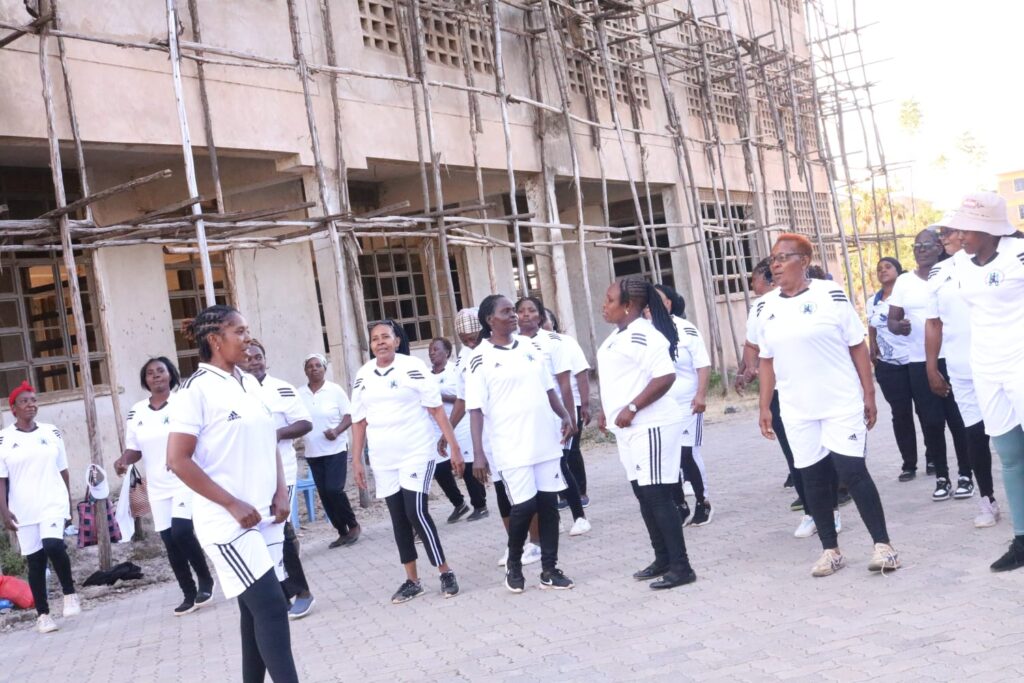
When everyone else is winding up a long day on a Monday evening, a different kind of transformation unfolds at the Isiolo Stadium field. Women aged 40 years and above, carrying the invisible weight of family responsibilities, menopause, economic pressures, rebellious children and many more gather at the incomplete amenity not to participate in a ‘chama’ but for wellness.
For two straight hours, they dance, jog, run, play soccer, skip rope and share personal stories. To an ordinary person, this looks like an ordinary fitness session but not for the members of the Isiolo Women Mental Wellness (IWMW) team to whom the sessions are a lifeline.
Some of the women are navigating the unseen burden of physical body changes occasioned by menopause, others raising teenagers, family conflicts, land disputes and many more. They are all in pursuit id wellness and a peace of mind and have therefore chosen to face the challenges together rather than suffering in isolation.
Menopause is a natural end of a woman’s menstrual cycle and reproductive years. It is diagnosed after a woman has gone 12 consecutive months without a menstrual period, following a significant decline in the hormones estrogen and progesterone.
The transition begins with perimenopause, a stage that often starts in a woman’s 40s and is marked by fluctuating hormone levels, irregular periods and hot flashes, mood changes and sleep disturbances.
After menopause, a women enter post menopause, the stage that lasts for the rest of their lives. Menopause can also occur earlier than expected due to surgery or certain medical treatments such as chemotherapy.
IWMW Chairperson Rachael Njogu says the idea was born after realizing that many women above the age of 40 were struggling to navigate the realities of midlife.
“Within this age, women suffer the pressure of raising children, transitioning to menopause, financial constraints and many other issues that weigh them down. I wanted to create a safe where we can discuss all the things and encourage each other that they are not alone,” she told Kilele Media Productions during an interview.
She said that beyond the exercises, an opportunity for women to openly discuss experiences that are often considered a taboo by the society. Menopause, according to Ms Njogu remains an issue many women shy from seeking support about therefore struggling to overcome it.
“We want a society where women understand that menopause is just a natural phase of life and instead of seeking medical services for every discomfort thinking they are sick, they can exercise it away and share experiences with other women,” she said.
Catherine Makena’s life has drastically changed since joining the group. She remembers struggling with persistent joint pains, forgetfulness and general body weak making painkillers a daily part of life.
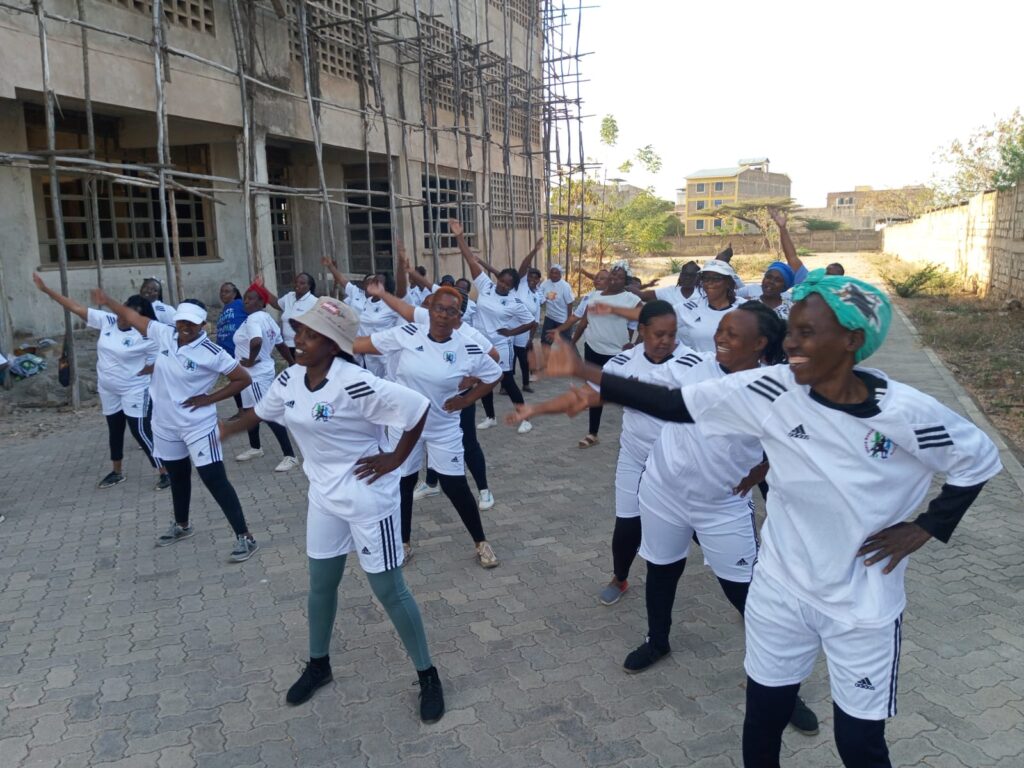
Seven months later, she says she can run comfortably without depending on medication to get through the day.
“I thought I was sick and needed healthcare attention. Now I have realized that my body only needed regular exercises to get rid of the pain and struggle,” shared Ms Catherine.
Another beneficiary, Prisca Kinya, said spending long hours seated at the local market where she sells cereals and using a motorbike back home had left her body stiff and strained but the regular exercises had restored her mobility.
“These exercises are therapeutic. I couldn’t bend easily before, but now I feel stronger and much happier,” she shared.
According to the World Health Organization (WHO), adults aged 18 to 64 should engage in 150 to 300 minutes of moderate-intensity aerobic physical activity or 75 to 150 minutes of vigorous-intensity activity every week.
For the IWMW group, meeting these recommendations is an investment into their wellbeing and healthier aging.
