

By:Robert Mutasi
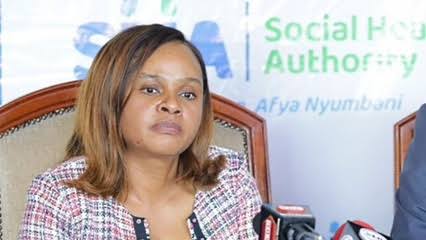
The Social Health Authority (SHA) will soon deploy an army of insurance agents on the streets to sell health cover to Kenyans in the informal sector, just like private insurers Britam and Jubilee do.
SHA CEO Dr. Mercy Mwangangi announced on Monday during the Kenya Health Summit Roundtable 2026 at Radisson Blu in Nairobi that the new agency model is aimed at netting millions of Kenyans in the jua kali sector who have been reluctant to register and pay for the Social Health Insurance Fund (SHIF).
“We will set out agents who will be able to sell insurance the same way you see Britam and everyone else selling the insurance on the streets. Knocking and saying do you have a Jubilee cover? Do you have a Britam cover? We will have SHA agents going round and selling covers to the informal sector on commission for them to pay into the fund,” she said.
Mwangangi said SHIF is a fully contributory fund and only those who pay will benefit, and the government is struggling to get consistent collections from the informal sector.
“From the informal sector we get between 500 to 700 million. Again it fluctuates. I want to insist this fund is contributory. So the people who will get the benefit from that fund are the people who’ve registered for that fund and pay for that fund,” she said.
She defended the proxy means testing tool used to determine how much a household in the informal sector should pay, saying although Kenyans hate it, it is the only way to assess unpredictable incomes.
“Kenyans do not like proxy means testing. But I can tell you the world over, countries who’ve put in place these systems need a mechanism to be able to define how you net in the informal sector,” Mwangangi said.
The SHA boss said the agency model will work on commission, where agents will move door-to-door, in markets, matatu stages and construction sites to convince hustlers to register and pay.
This comes as SHA revealed its latest financial performance. According to Mwangangi, who read figures live from the system, the Primary Health Care Fund has received KSh 27 billion from the National Treasury, out of which KSh 23 billion has been paid to health facilities.
For SHIF, the contributory fund, SHA has collected KSh 151 billion since inception and paid out KSh 134.7 billion in claims. The newly launched Emergency, Chronic and Critical Illness Fund (ECCIF) has collected KSh 8 billion and paid out KSh 3.5 billion.
Mwangangi also raised concern over fraud, saying Kenyans themselves are contributing to it, including a case where a civil servant used her SHA card to admit her sister who later ran away at night.
“All of us are accomplices of fraud,” she said, adding that digitization will help curb the vice.
She admitted that public awareness about SHA remains low and said the street agents will also help educate Kenyans about the new health cover.
The government is betting that taking insurance to the streets, the same way private insurers do, will finally unlock contributions from the over 15 million Kenyans in the informal economy and make Universal Health Coverage a reality.
