
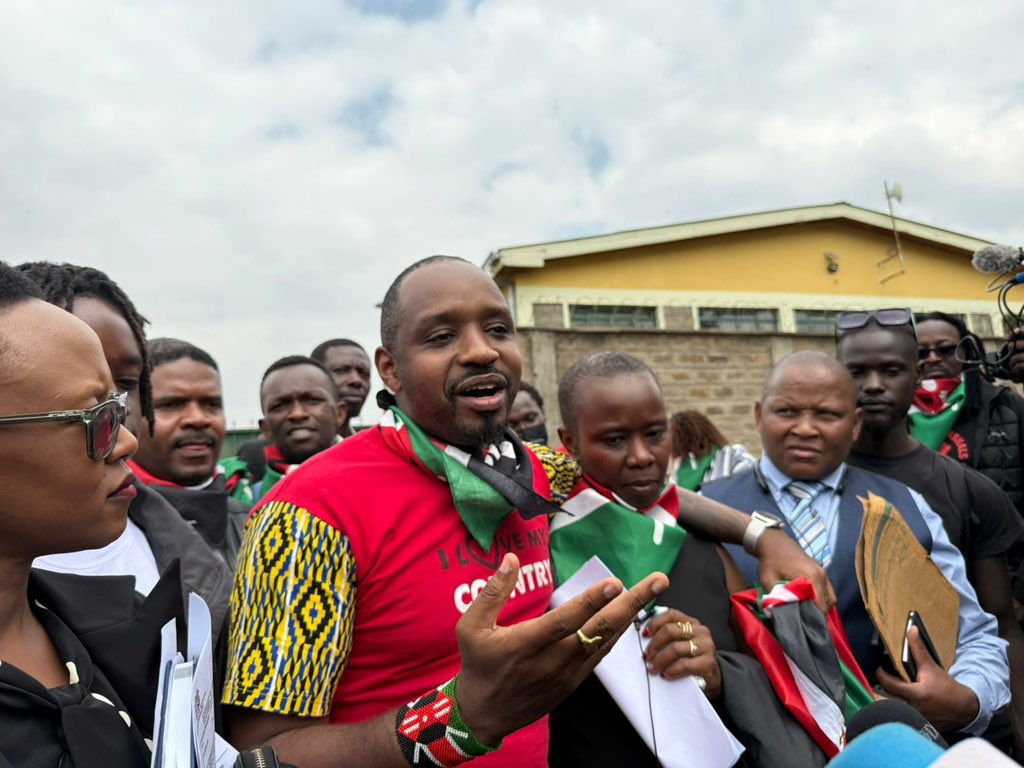
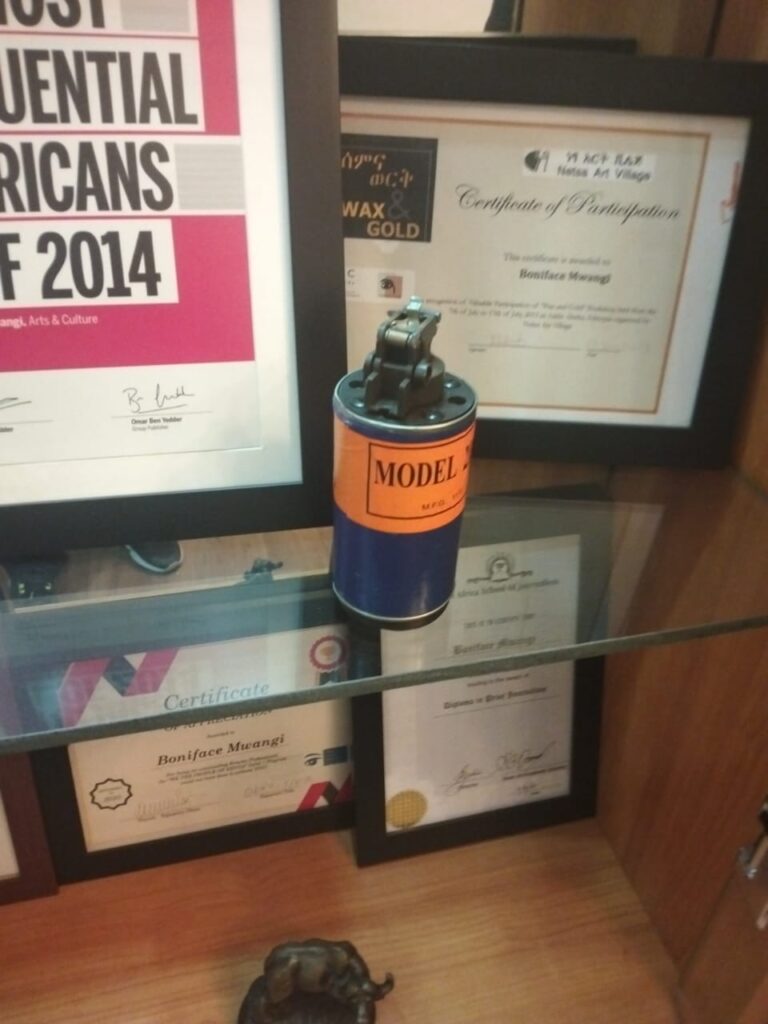
Prominent Kenyan human rights activist Boniface Mwangi was released on a Ksh1 million personal bond today, following his arrest on July 19, 2025, in a case that has sparked widespread outrage and raised questions about the misuse of anti-terrorism laws against activists. Mwangi was charged with unlawful possession of ammunition-including two unused teargas canisters and one blank bullet-was freed after appearing in court earlier today.
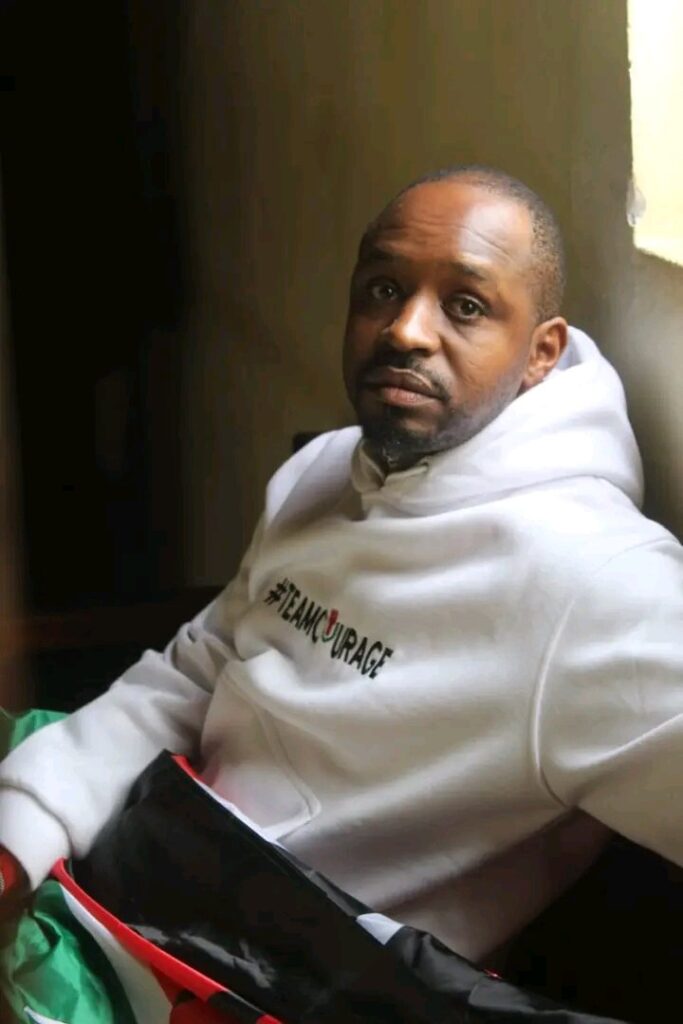
The arrest, which began at Mwangi’s home in Lukenya, Machakos County, saw the Directorate of Criminal Investigations (DCI) initially accuse him of facilitating terrorist activities linked to the June 25, 2025, protests commemorating last year’s deadly anti-government demonstrations. During the arrest, authorities seized mobile phones, laptops, notebooks, and other items from his residence and office at Mageuzi Hub in Nairobi. However, the terrorism charges were dropped, and Mwangi was instead charged with the lesser offense, prompting speculation of a government backtrack amid international and local pressure.
Veteran politician James Orengo, Governor of Siaya County, called the initial terrorism accusations “ridiculous,” noting Mwangi’s long history of peaceful activism. Mwangi, a former photojournalist who gained global recognition for documenting the 2007 post-election violence, has been a vocal critic of government corruption and police excesses, often leading symbolic protests, such as the 2013 “bloodied piglets” demonstration against MPs’ pay hikes.
The controversy surrounding Mwangi’s arrest extends beyond Kenya’s borders. In May 2025, he and Ugandan activist Agather Atuhaire were detained in Tanzania, where they alleged they were tortured and sexually assaulted while monitoring the trial of opposition leader Tundu Lissu. The duo has since filed a Ksh100 million case against the Tanzanian government at the East African Court of Justice, a move some speculate may have prompted Kenya’s actions as a show of regional solidarity. Tanzanian President Samia Hassan recently warned against “meddling” activists, adding fuel to theories of coordinated suppression across East Africa.
The U.S. Embassy and other Western diplomatic missions have expressed concern, reiterating that protecting the right to protest is “vital to preserving civic space” in Kenya. Mwangi, who has vowed to continue his activism despite past detentions and physical scars, denied the charges, stating on X, “I am not a terrorist.” His release on bond marks a temporary reprieve, but the case continues to spotlight the fragile state of democratic freedoms in Kenya. As investigations proceed, rights groups are calling for transparency and accountability, while Mwangi’s supporters prepare for what they see as an ongoing struggle against state overreach.
