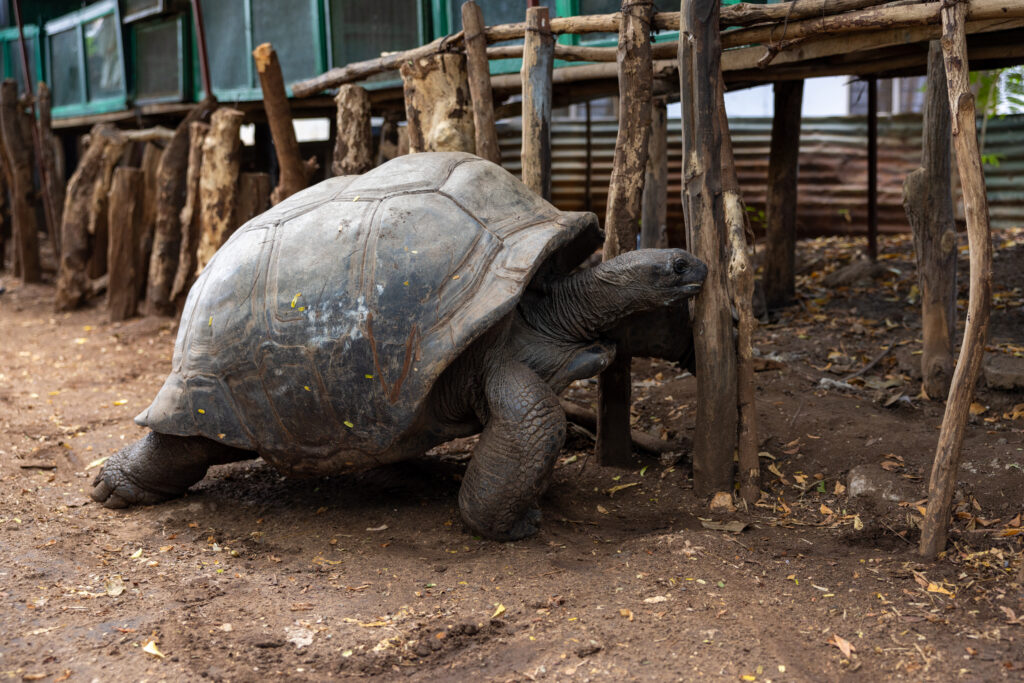
One of the most traded Leopard Tortoise resting .Photo Courtesy Teryani Mwadzaya
A shocking new scientific report has exposed the massive scale of Kenya’s booming reptile export trade, revealing that more than 870,000 live CITES-listed animals Leopard tortoises ,Nile crocodile skins flowing into luxury fashion markets abroad and Rare Kenyan chameleons packed into overseas pet shipments were exported from the country between 2013 and 2023 with reptiles dominating the trade. by the tens of thousands.
The explosive findings, contained in a peer-reviewed paper released by World Animal Protection Kenya, show leopard tortoises and several species of chameleons were among the most heavily traded animals, each recording exports in the tens of thousands over the decade. Meanwhile, exports of Nile crocodile skins surpassed 80,000, representing a staggering number of animals killed for international luxury markets.
According to the report, Kenya’s live reptile exports surged more than tenfold from just 8,551 animals in 2013 to a massive 86,330 in 2023 were exported to at least 43 countries across Asia, Europe, North America, Africa and South America, feeding growing demand for exotic pets, reptile collectors and high-end fashion products.
Researchers say the findings raise serious concerns over conservation, animal cruelty, illegal trafficking and public health risks linked to wildlife trade networks.
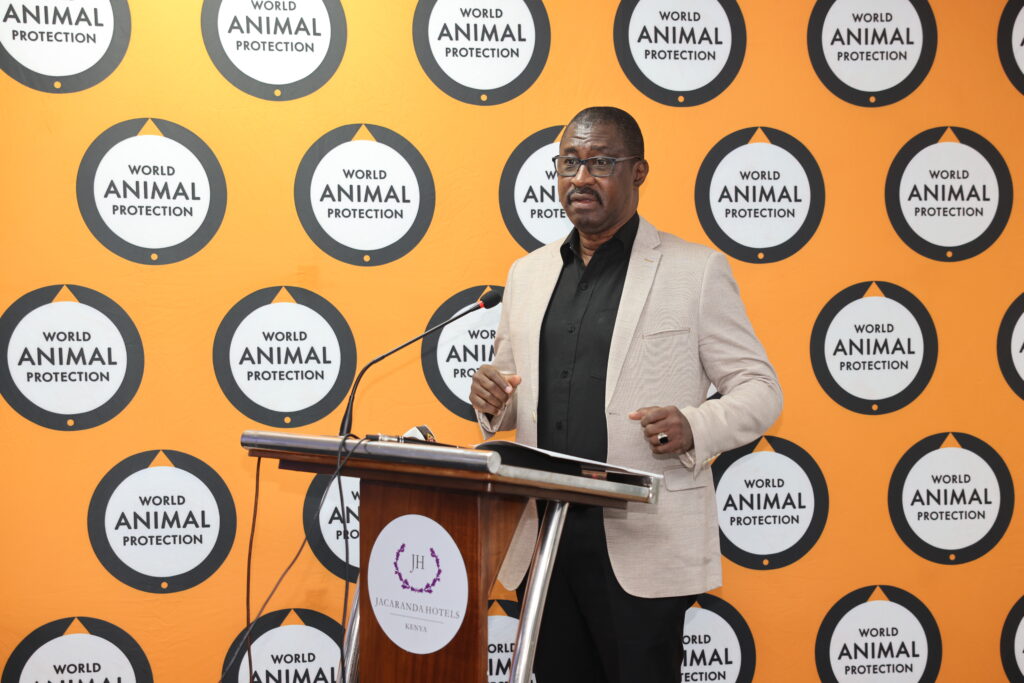
Tennyson Williams ,Director World Animal Protection Kenya.Photo Courtesy Teryani Mwadzaya.
“Kenya is witnessing a rapid rise in wildlife exports, particularly reptiles, and the ten-year trend is deeply concerning,” said Dr. Patrick Muinde, one of the co-authors of the study.
“Most of these exports involve live animals, making this far more than a question of numbers. It is cruel and raises questions about its sustainability,” added Dr Patrick.
The report warns that more than 77 percent of traded species are either declining in the wild or have unknown population trends, raising fears that some captive-breeding operations could be masking pressure on already threatened species.
The study further reveals that seizure records continue to show illegal trafficking of pancake tortoises despite the species already facing severe conservation pressure.
Researchers documented 886 wildlife export records involving 28 species during the ten-year review period, with reptiles accounting for a staggering 81 percent of all export records. Commercial exports made up 93 percent of the trade.
The findings come at a sensitive time as Kenya reviews the proposed Wildlife Conservation and Management Bill 2025 amid growing international scrutiny over wildlife trafficking and exotic animal exports.
Wildlife experts are now calling for stricter regulation of captive breeding farms, tougher traceability systems and stronger welfare audits to curb abuse within the lucrative trade.
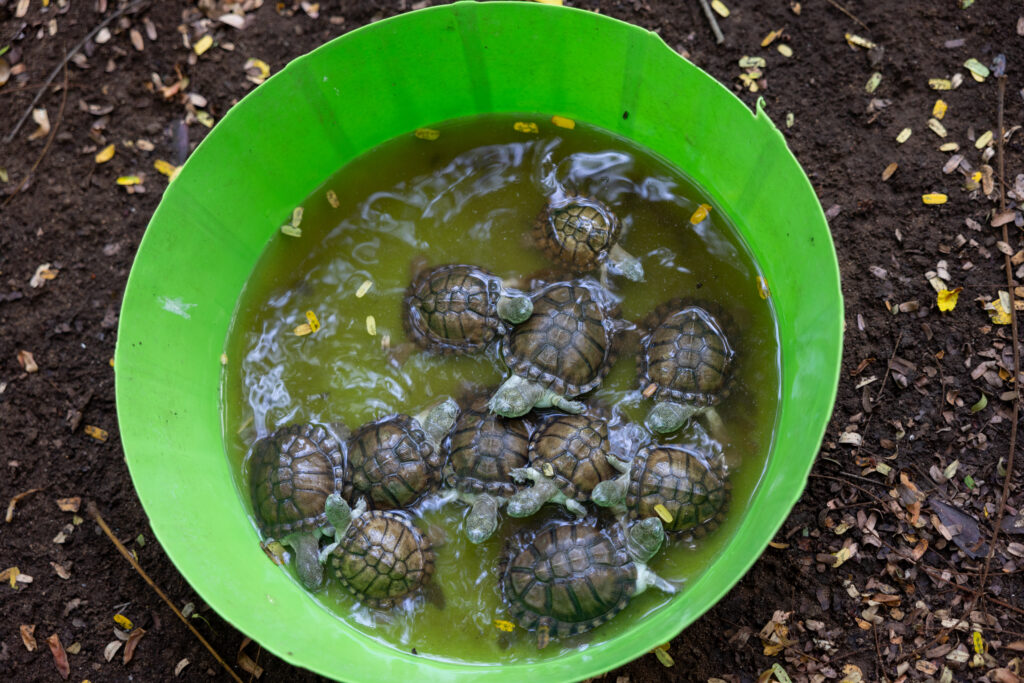
Some of the rare tortoise in a basin .PhotoCourtesy Teryani Mwadzaya
Globally, the wildlife trade industry is worth billions of dollars annually, but conservationists warn the booming demand for exotic reptiles is pushing vulnerable species closer to collapse while exposing animals to immense suffering during capture, breeding and transportation.
The report’s authors are urging importing countries to reduce demand for wild animals in pet shops and luxury markets before the trade spirals further out of control.
..