

The death of 24-year-old Julia Wangui, a mother arrested during the recent Saba Saba protests, remains shrouded in mystery after a postmortem examination conducted at Nanyuki Cottage Hospital proved inconclusive. The announcement, made by government pathologist Peter Ndegwa to Wangui’s family on Tuesday evening, has ignited fresh tensions in a country already reeling from weeks of anti-government unrest.
Wangui, detained following her arrest during the July 7 protests in Nanyuki—marking the 35th anniversary of the historic Saba Saba movement—died under unclear circumstances while held at Nanyuki Remand Prison. Initially scheduled for Monday, the autopsy was delayed to Tuesday, a move that has fueled suspicions of a deliberate stalling tactic. According to reports, further tests on tissue samples are needed to determine the cause of death, leaving the young mother’s family and supporters without answers.
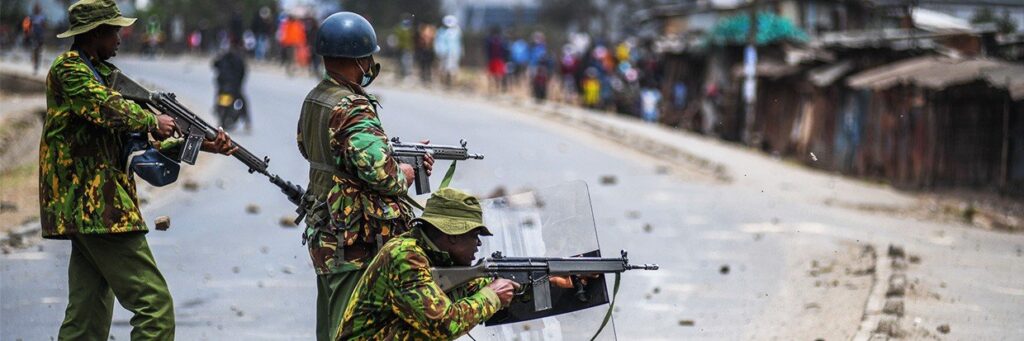
The inconclusive postmortem has reignited public anger, with social media users and activists accusing authorities of a cover-up while also at the same time referencing promises of street demonstrations if no clarity was provided. The delay and lack of definitive findings echo a troubling pattern with studies reporting that 40% of autopsies in Kenyan custodial deaths were inconclusive due to procedural lapses or alleged interference.
Wangui’s death comes amid a broader wave of unrest driven by economic hardships, including soaring food and fuel prices. The protests, which have left dozens dead according to the Kenya National Commission on Human Rights, set a precedent for the government’s heavy-handed response to dissent. The recent Saba Saba demonstrations, marked by violence in various cities countrywide have only deepened public distrust.
As the nation awaits further test results, the inconclusive postmortem has left more questions than answers. Was Wangui’s death due to injuries sustained during her arrest, neglect in custody, or an unrelated medical condition? The lack of transparency has only heightened suspicions, with human rights groups urging international oversight.
For now, Julia Wangui’s family mourns in uncertainty, while Kenya battles with a crisis that threatens to get even worse. With public outrage escalating and the government under scrutiny, the coming days may determine whether this case becomes a turning point in the fight for accountability or another unresolved tragedy in a troubled history.
