

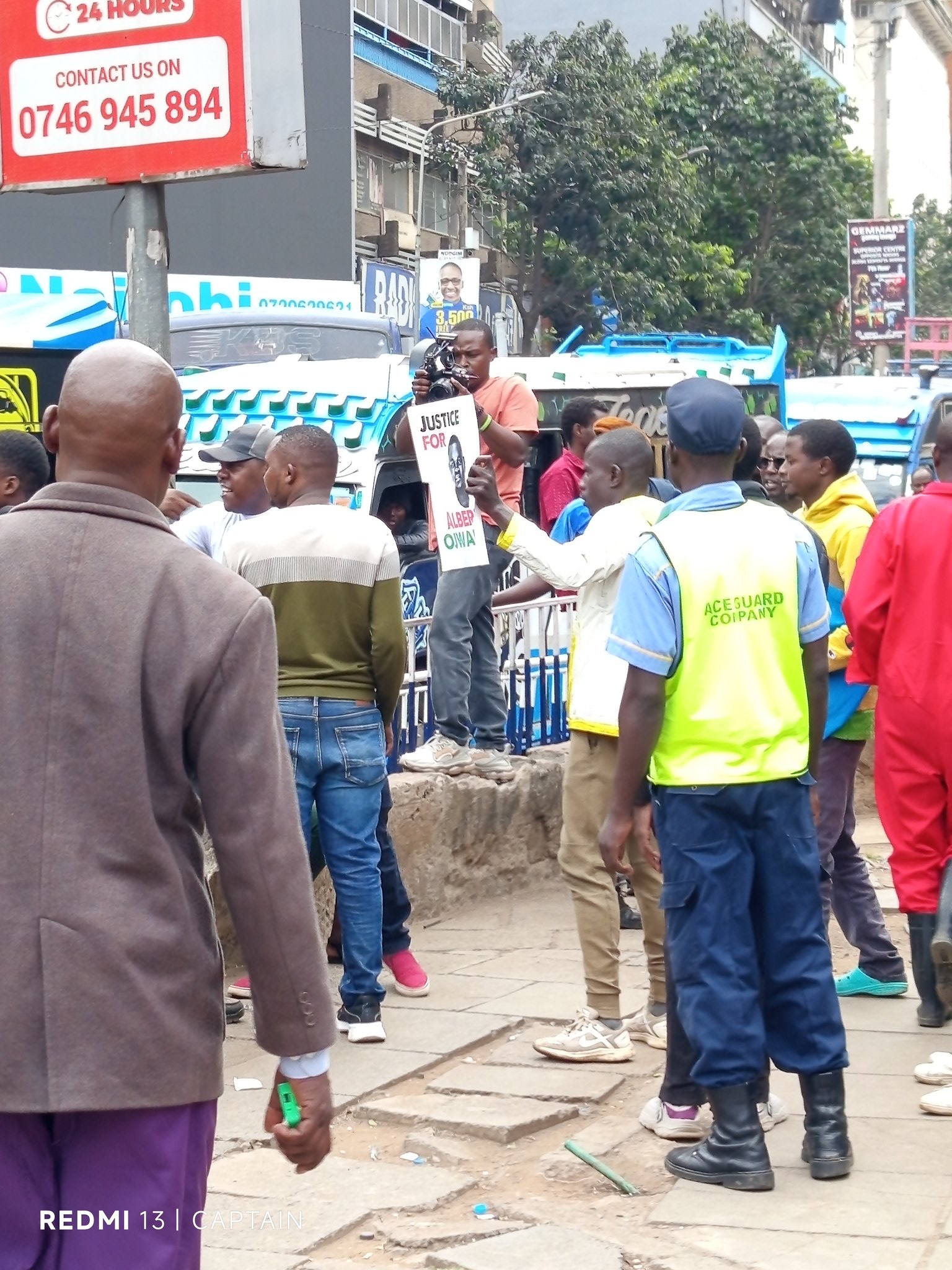
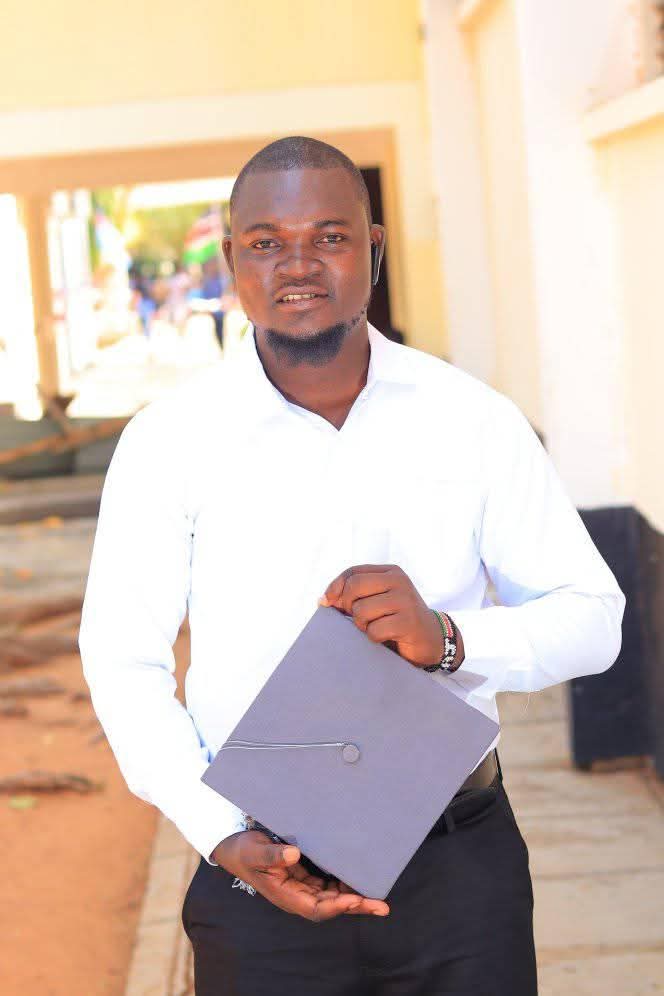
The death of Albert Ojwang, a 31-year-old teacher and social media influencer from Voi, in police custody at Nairobi’s Central Police Station has ignited widespread public outrage and demands for accountability across Kenya. Ojwang, arrested on Saturday, June 7, 2025, in Homa Bay County for an alleged “false publication” on the social media platform X, was found dead under suspicious circumstances less than 24 hours later, prompting accusations of police brutality and calls for an independent investigation.
According to the National Police Service (NPS), Ojwang was lawfully detained by Directorate of Criminal Investigations (DCI) detectives for posting content deemed defamatory toward a senior police officer, reportedly Deputy Inspector-General Eliud Kipkoech Lagat. After his arrest in Kasipul Kabondo, Homa Bay, Ojwang was transported over 350 kilometers to Nairobi’s Central Police Station for questioning. The NPS claims that during a routine cell inspection, Ojwang was found unconscious with severe head injuries, allegedly self-inflicted after hitting his head against the cell wall. He was rushed to Mbagathi Hospital, where he was pronounced dead on arrival, as documented under OB number 09/8/06/2025.
However, the police narrative has been met with skepticism and condemnation. Ojwang’s family, legal representatives, and human rights organizations have pointed to inconsistencies in the official account. Meshack Opiyo, Ojwang’s father, recounted the harrowing moment when plainclothes officers arrived at their home on Saturday afternoon, arresting his son without clear explanation, stating only that he had “insulted their boss” on X. Opiyo, who traveled to Nairobi to seek answers, was denied access to the cell where his son allegedly died and was informed of his death upon arrival at the station. “They wouldn’t let me see where my son died,” Opiyo said in a tearful statement outside Central Police Station, noting visible injuries on his son’s body, including a deformed head, blood oozing from his nose, and scratches consistent with being dragged.
The Law Society of Kenya (LSK) President Faith Odhiambo rejected the police’s claim of suicide, highlighting that Ojwang was in communication with friends organizing a fundraiser for his bail, indicating he had no intention of taking his own life. “The argument that this may have been a suicide bears no legs,” Odhiambo stated, raising concerns about the DCI’s removal of the cell’s keys, which she suggested could be an attempt to manipulate the crime scene.
Amnesty International Kenya has called for an urgent, thorough, and independent investigation by the Independent Policing Oversight Authority (IPOA) and the Kenya National Commission on Human Rights (KNCHR), emphasizing that “no Kenyan should lose their life in police custody.” The organization described Ojwang’s death as “very suspicious,” particularly given the unusual decision to transport him to Nairobi rather than booking him at a local station.
In response to mounting pressure, Inspector General of Police Douglas Kanja announced on June 9, 2025, the immediate interdiction of the Officer Commanding Station (OCS), the duty officer, the cell sentry, and all report office officers on duty at Central Police Station the night Ojwang died. The NPS has pledged full cooperation with IPOA’s investigation, with a technical team led by Chairperson Ahmed Issack Hassan conducting a fact-finding mission at the station.
The incident has fueled a broader debate about police accountability in Kenya, with activists and politicians, including Manyatta MP Gitonga Mukunji and Mumias East MP Peter Salasya, demanding systemic reforms to address recurring custodial deaths. Social media, particularly X, has been ablaze with the hashtag #JusticeForAlbertOjwang, as Kenyans rally for transparency and justice. Civil society groups are also calling for the release of CCTV footage, an independent postmortem, and unrestricted access to police records.
Ojwang’s body is currently at Nairobi Funeral Home, awaiting an independent autopsy, as his family refuses to proceed with burial plans until answers are provided. The case has become a rallying point for critics of Kenya’s law enforcement, adding to growing concerns about the treatment of government critics, especially following recent arrests of activists like software developer Rose Njeri.
As investigations unfold, Ojwang’s death underscores the urgent need for transparency and reform within Kenya’s police service, with the nation watching closely for justice to be served.
