

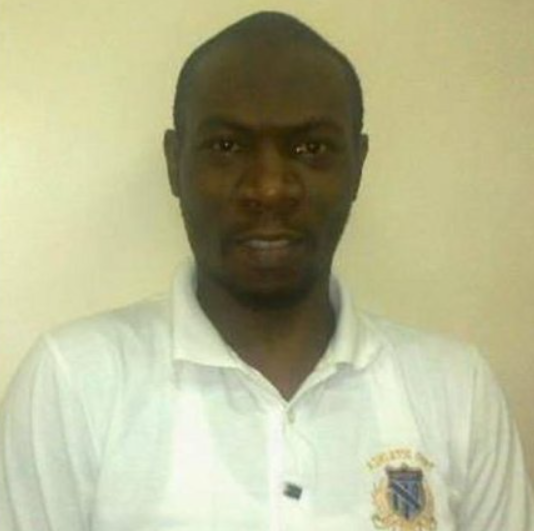
Steve Abdukareem Munyakho, a Kenyan national who spent over a decade on death row in Saudi Arabia, has been released following the payment of approximately Ksh129 million in “blood money,” known as diyah under Sharia law. The announcement was confirmed by Kenya’s Foreign Affairs Principal Secretary Korir Sing’oei earlier today, marking a significant diplomatic and humanitarian victory.
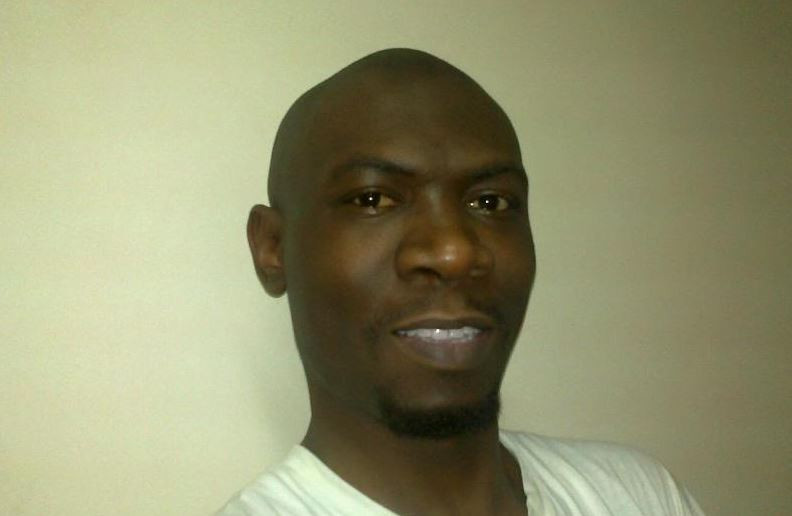
Munyakho, convicted in 2011 for the manslaughter of a Yemeni colleague, Abdul Halim Mujahid Makrad Saleh, faced the possibility of execution by beheading—a common method in Saudi Arabia, where 172 executions were recorded in 2024 alone, according to BBC reports. His release came after years of legal battles and fundraising efforts, supported by the Kenyan government and community contributions. The payment satisfied a judicial decree, securing a pardon from the victim’s family, a practice rooted in Islamic law that allows compensation to avert retribution.
Foreign Affairs PS Sing’oei announced Munyakho’s freedom stating, “Steve Abdukareem Munyakho, the Kenyan national who has been on death row, is free as of today pursuant to the full satisfaction of the judicial decree.” He added that Munyakho performed the Umra pilgrimage, a lesser Islamic pilgrimage to Mecca, immediately upon his release, highlighting the personal and spiritual significance of his liberation.
The case drew widespread attention, with Kenya’s Embassy in Riyadh playing a pivotal role in negotiations. A temporary reprieve in 2024 had allowed Munyakho’s family, led by his mother Dorothy Kweyu, to intensify efforts to raise the sum. Kweyu, now 73, had previously shared her anguish, recalling a moment when she asked to take her son’s place, only to be rebuked. “There were times I lost hope, but today is a miracle,” she said in a statement.
Munyakho’s name change to “Abdulkareem” during his imprisonment surprised his family, who noted it reflected a possible shift in his religious identity, a detail confirmed by Sing’oei. His youngest son, Evans Mwanze, 23, who has not seen his father since he was three, expressed cautious joy: “I never got to know my dad, but I’m hopeful we’ll rebuild our lives.”
The release underscores the complex interplay of Sharia law and international diplomacy. Under Islamic tradition, diyah—originally set at the value of 100 camels, now interpreted as cash—can reduce sentences or secure pardons, a practice applied in about 20 countries across the Middle East and Africa. In Saudi Arabia, where the judicial system is based on Sharia, such outcomes hinge on the victim’s family’s consent, a dynamic that has sparked global debates about justice and mercy.
Kenya’s government hailed the outcome as a testament to its diplomatic efforts, with Sing’oei commending supporters who aided the cause. Plans are underway to facilitate Munyakho’s return to Kenya, though no specific date has been set. The news has sparked celebrations across the country, with social media flooded with messages of relief and gratitude.
As Munyakho prepares to reunite with his family, his case stands as a rare example of how cultural practices, international advocacy, and personal resilience can converge to alter the course of justice. For now, the focus shifts to his reintegration and the broader implications of blood money in modern legal systems.
