
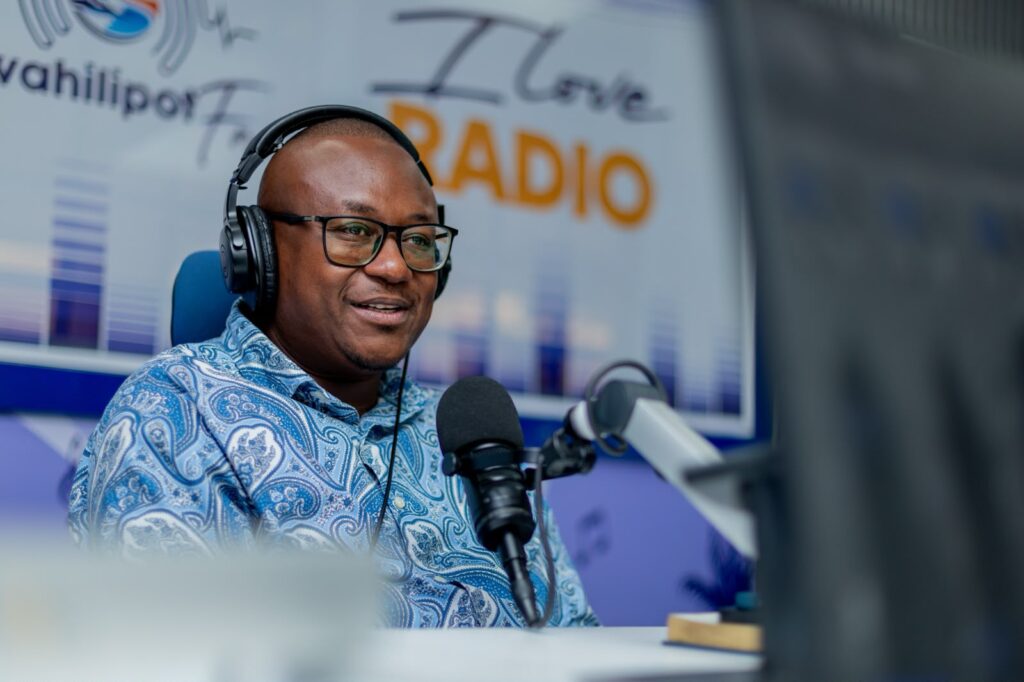
Mombasa Press Club Chairman Omar Abdallah, popularly known as Ommy Dallah, has called on journalists to break the culture of silence and seek help whenever they experience emotional distress or professional challenges, warning that failure to do so could lead to serious mental health problems.
Speaking during an interview with a local radio station, Abdallah noted that mental health concerns are increasingly affecting media practitioners due to the demanding nature of their work, exposure to traumatic events, job insecurity, and workplace pressures.
“We must encourage journalists to speak out whenever they are facing challenges. Keeping problems to yourself can have serious consequences on one’s mental health and overall well-being,” said Abdallah.
He observed that many journalists continue to suffer in silence despite the growing prevalence of stress, anxiety, depression, and burnout within the profession.
“As journalists, we are often expected to be strong and resilient, but we are also human beings. We face the same challenges as everyone else, and sometimes even more because of the nature of our work. There should be no shame in seeking support,” he added.
The Mombasa Press Club chairman revealed that the organization is in the process of organizing a comprehensive mental health training program for its members in partnership with several organizations and stakeholders.
According to Abdallah, the initiative aims to equip journalists with the knowledge and tools needed to recognize mental health challenges, manage stress, and access professional support services when necessary.
“We are working closely with our partners to organize mental health training sessions for journalists. The goal is to create awareness, build resilience, and provide practical coping mechanisms that can help media practitioners navigate the pressures of the profession,” he said.
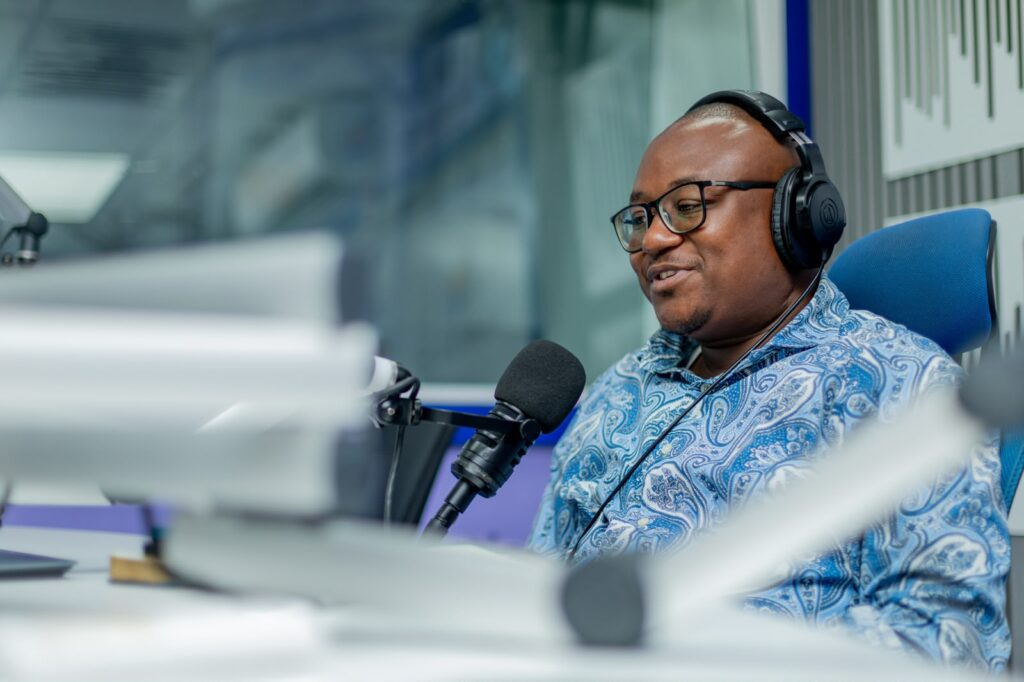
He emphasized that promoting mental wellness among journalists is critical in ensuring a healthy, productive, and professional media industry.
“A journalist who is mentally healthy is better placed to serve the public effectively, tell impactful stories, and uphold professional standards. Mental health should be treated with the same seriousness as physical health,” Abdallah noted.
He further urged media houses, professional associations, and development partners to invest in psychosocial support programs and create safe spaces where journalists can openly discuss their challenges without fear of stigma or discrimination.
The planned training comes amid growing concerns over the mental health of journalists both in Kenya and globally, with studies showing that media professionals are increasingly exposed to traumatic events, online harassment, long working hours, and economic uncertainties that can negatively impact their psychological well-being.
Mombasa Press Club has in recent years intensified efforts to promote the welfare and professional development of journalists through training, mentorship, and advocacy programs aimed at strengthening the media sector in the coastal region.
