

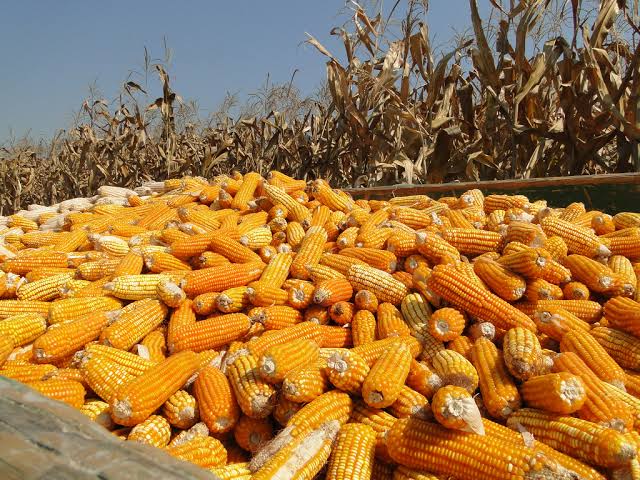
A looming 25 million-bag maize deficit is forcing Kenya to turn to international grain markets as drought and climate-related disruptions threaten food production across several major maize-growing regions.
The Government plans to import 25 million 90-kilogram bags of maize to bridge the projected gap and stabilize supplies in a country that consumes approximately 75 million bags annually.
Agriculture Cabinet Secretary Sen. Mutahi Kagwe said arrangements for the imports are already in place, assuring Kenyans that the Government will take measures to prevent the country from running out of maize.
“We will import maize. We have already made arrangements for that. We will manage the country. The country is not going to go hungry,” Kagwe said.
The planned imports highlight the growing pressure climate change is placing on food systems, with Kenya increasingly relying on strategic imports to cushion consumers when domestic production falls below demand.
The Government says the imports will provide an immediate buffer against shortages and help prevent sharp increases in food prices.
But beyond the emergency response, Kenya is pursuing longer-term measures aimed at strengthening food production and reducing dependence on increasingly unpredictable rainfall.
The expansion of irrigation projects, including the Galana Kulalu scheme, is expected to increase agricultural productivity and strengthen the country’s ability to produce food during periods of drought.
The Government also plans to work with the National Treasury to address taxation and bureaucratic challenges affecting farmers and agribusinesses, with the aim of making agriculture more competitive and attracting greater investment.
The food-security challenge is also being linked to employment, technology and economic transformation under the proposed AgriConnect Compact Programme.
Launched through consultations involving national and county governments and the World Bank, the programme seeks to build on existing agricultural resilience and value-chain initiatives.
It will focus on three major areas: increasing agricultural productivity, promoting value addition and creating sustainable jobs through agribusiness.
The Government also intends to accelerate the digitization of agriculture, promote artificial intelligence and expand the use of modern technologies to improve productivity and attract more young people into the sector.
For Kenya, the projected maize deficit is more than a domestic food-supply problem. It reflects a wider global challenge facing countries whose agricultural systems are increasingly exposed to drought, extreme weather and climate change.
As Kenya turns to global markets to fill the immediate gap, authorities are simultaneously seeking to make the country’s food system more resilient, productive and less vulnerable to future climate shocks.
