
Impact of drought snowballs, devastating lives at the Coastal County of Kenya
“What I expected when I arrived in Saudi Arabia was completely different. I was raped by the men in my employer’s family, I didn’t receive the salary negotiated, I experienced extreme suffering,” Wahida recounts, tears welling her eyes.Wahida Omar
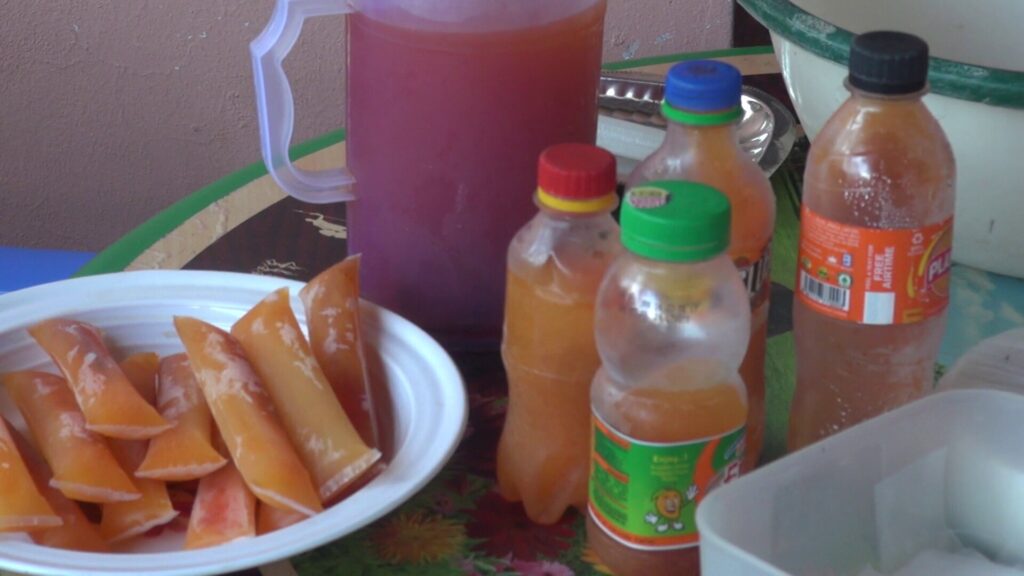
The smile on her face as she packs the juices into small packs for sale, creates a picture of bliss and contentment. Wahida Omar spends her day blending fruits into juices, packing them into small transparent packs sealing them, refrigerating and selling the ice pops in her neighborhood of Kilifi, a coastal county in Kenya. It is a business that doesn’t earn much but puts food on the table, and above all gives her peace of mind which she says is priceless.

This was not her story years back, she has been battling mental health. With support from Trace Kenya International, she received psychological support and is now back on her feet.

Her journey in life she says has had its challenges, challenges that saw her forced to abandon her cereals business to venture into the Middle East where she had been promised a job.
I sold beans and green grams, but the prolonged drought witnessed in 2022 at the coastal area affected supply forcing me to abandon the business and seek alternatives.Wahida Omar
This led her to dare abroad. However her expectations of a better income turned into a nightmare as she fell in the hands of a cruel employer. She was constantly assaulted, raped and tortured pushing her into depression, affecting her mental state. Unable to bear it all, she packed her bags and sought her family’s help to return to Kenya.
“I informed my husband, and he began seeking organisations that could facilitate my return. I came back home through Trace Kenya International. They provided me with mental health training, business skills, and a small business capital—I am very grateful,” Wahida says with a smile.WAHIDA
Social organisations have committed to helping women facing mental health challenges while abroad. Paul Adhoch, the Executive Director of Trace Kenya International, said they assist women after receiving information from their families or the women themselves when they seek help through social media platforms.
We receive their information and provide mental health support in safe spaces we’ve designated so they can regain their normal state. Once they recover, we provide them with a small sum of money to start a business to sustain their lives, and we monitor their businesses to ensure they continue,” Paul explains.
OVERCOMING STIGMA
Respecting the rights and following the ethical standards for those affected by mental illness is the best way to live with them, says Dr. Said Salim, a mental health doctor at Port Reitz Hospital. He says training on how to live with mentally ill patients is provided at the hospital so that the community learns to coexist with them.
“It is important for the community to receive training on how to live with people affected by mental illness because it is not appropriate to label them names, they must be allowed peace and dignity like everyone else,” said Dr. Said.
MANAGING MENTAL HEALTH
The United Nations Children’s Fund (UNICEF), in collaboration with the United Nations Educational, Scientific, and Cultural Organization (UNESCO), advocate for continued mental health training for young mothers. Alice Armstrong, an official from UNESCO’s East and Southern Africa region, says this collaboration targets young mothers.
“We have partnered to provide mental health education through these women’s groups, where health training will be offered, including mental health training, to promote better health outcomes.”
Kenya’s aligns its development programs with the Sustainable Development Goals (SDGs) under the country’s Vision 2030. The six policy goals include: eliminating infectious diseases, reducing health risks, strengthening cooperation with health sector service providers among other goals.
Nancy Mutola, Director of the Akili Dada social organisation, said that involving women in stress reduction training helps the community.
“We found that stress diminishes families, so we started mental health training, including business training, so that women can empower themselves to sustain their livelihoods. We have trained 400 women and provided them with capital to start their businesses.”
Data from Trace Kenya International show that at least 30 women of the hundreds who travel to the Arabian Peninsula face mental health challenges and trauma at their workplace due to the harsh conditions that include sexual abuse, and cruelty from the host family.

FINANCIAL INDEPENDENCE
In the community, women are striving to reduce stress by investing their savings to meet household needs. Mrs. Rosemary Kimeu, has invested her money through a women’s group, to reduce the stress that comes with lack money for expenses. She ensures she has enough water supply , a growing problem during the long drought season that triggers a chain of events that compromise on their health.
“I have invested in a women’s group, and my savings have helped me buy food for my family, pay school fees for my children, and purchase water tanks. I have reduced my stress. Not knowing how to solve issues like buying food and having money for expenses causes a lot of thinking, which leads to illness,” said Mrs Kimeu.
The world once again congregates in Azerbaijan for the conference of parties (COP29) this November. Top in the agenda will be to assess global efforts in limiting global warming to 1.5 degrees to address climate change. Many Kenyans like Wahida Omar are in expectation that climate finance will be actualised to enable developing countries build resilience and adaptation towards ensuring food security and salvaging small scale grocery businesses that bear the brunt of the erratic weather changes.
