
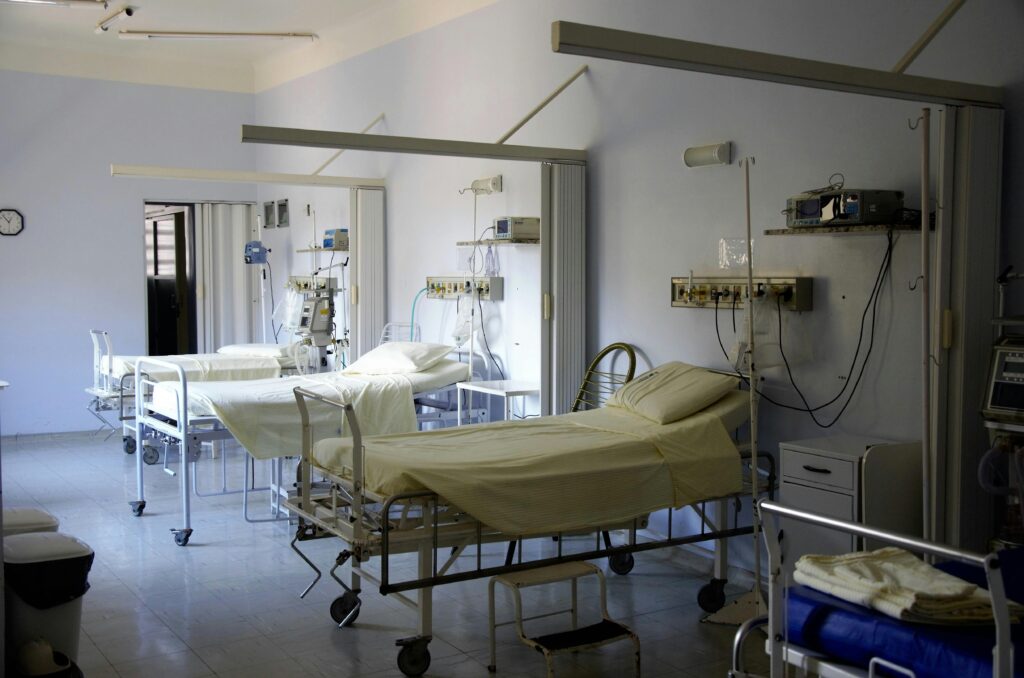
A growing healthcare crisis is gripping Kenya, as medical facilities grapple with severe funding shortages and stalled development projects, threatening the well-being of millions. The situation has been exacerbated by a recent freeze in international aid, leaving hospitals understaffed, under-resourced, and struggling to meet rising demand.
The heart of the crisis lies in a combination of slashed budgets and mismanagement, which have left critical healthcare initiatives in limbo. Community health programs, once a lifeline for rural areas, are now faltering, with reports of clinics running out of essential supplies like syringes, bandages, and basic medications. In urban centers like Nairobi and Mombasa, public hospitals are overwhelmed, with patients facing long wait times and, in some cases, being turned away due to a lack of beds or equipment.
“It’s heartbreaking,” said Dr. Amina Otieno, a physician at a Nairobi public hospital. “We’re forced to prioritize who gets treatment because we simply don’t have enough resources. Patients deserve better, but our hands are tied.”
The crisis has been worsened by a significant reduction in foreign aid, particularly from major donors like USAID, which has historically supported Kenya’s health sector. The funding freeze has led to a reported surge in HIV infections and unplanned pregnancies, as preventive programs like free condom distribution and antiretroviral therapy outreach have been scaled back. Community health workers, who play a vital role in educating vulnerable populations, say they haven’t received stipends in months, forcing many to abandon their posts.
Adding to the strain, several high-profile healthcare infrastructure projects have stalled. The construction of a state-of-the-art cancer treatment center in Kisumu, promised three years ago, remains incomplete, with contractors citing unpaid dues. Similar delays have plagued upgrades to maternal and pediatric wards in county hospitals, leaving expectant mothers and children particularly vulnerable.
The government has faced mounting criticism for its handling of the crisis. Public health advocates argue that mismanagement and corruption have siphoned off funds meant for healthcare, with recent reports highlighting millions of shillings unaccounted for in public institutions. “The government must prioritize healthcare funding and ensure transparency,” said Jane Wambui, a health policy analyst based in Nairobi. “Without immediate action, we’re risking a public health catastrophe.”
Citizens are feeling the impact firsthand. In Eldoret, single mother Mary Ndung’u shared her struggle to access care for her sick child. “I went to three clinics, and none had the medicine we needed. I had to borrow money to buy it from a private pharmacy. Not everyone can afford that,” she said.
On social media, Kenyans have expressed their frustration, with hashtags like #SaveOurHealthcare trending on platforms like X. Many are calling for urgent government intervention, including reinstating funding for community health programs and fast-tracking stalled projects.
The Health Ministry has promised to address the crisis, with officials stating that negotiations with international partners are underway to restore funding. However, with no clear timeline for resolution, the strain on Kenya’s healthcare system continues to grow, leaving millions at risk.
As the nation grapples with these challenges, one thing is clear: without swift and decisive action, the healthcare crisis could undermine decades of progress in improving public health. For now, doctors, nurses, and patients alike are left to navigate an increasingly dire situation, hoping for a lifeline that seems further out of reach each day.
